
Board & Staff.

Dr. Christina Svec
President
Dr. Christina Svec serves as Assistant Professor of Music Education at the University of Kansas, where she leads courses in early childhood and elementary music teaching. She holds degrees from the University of North Texas (PhD, BME) and Michigan State University (MME), along with three levels of certification in both Music Learning Theory and Kodály.
Before coming to KU, Dr. Svec spent a decade at Iowa State University and directed the Ames Children’s Choirs. Her teaching experience spans more than two decades and includes six years in elementary music classrooms as well as extensive (and current) work with early childhood music in parent–child settings and childcare programs.
Dr. Svec’s research explores research methodology, research pedagogy, and the development of the singing voice. Her publications appear in leading journals including JRME, Update, JMTE, Psychology of Music, and the International Journal of Music in Early Childhood, among others.
Focus & Vision: After serving as Treasurer/Bookkeeper for 10 years, I'm honored to serve as President. With ECMMA, I get to serve a population who cares deeply about early childhood music teaching, learning, and research!

Dr. Jason Jones
President-Elect
Dr. Jason D. Jones, a native of the Appalachia region, is an Assistant Professor of Music Education at UTRGV on the Brownsville campus. From conducting the Eastman Women’s Chorus to singing shape note songs at a goth bar, Jones’ performance experience is as varied as his teaching and research interests. He earned a Ph.D. in Music Education at the Eastman School of Music where he earned the Shetler Prize. Jones holds a Master of Music degree from the University of Texas at San Antonio, Master of Education from Emory & Henry College, and a Bachelor of Arts in Music Education and French from Emory & Henry College in Emory, VA. Jones is certified in Eurhythmics and Kodàly. He has eight years of experience teaching elementary general music, choir, and strings to children in urban and suburban areas. He is a recipient of the SAISD Foundation Inspire award for his work with urban elementary school children and was recognized for his significant contributions to the SAISD elementary strings project.
Jones has presented workshops, research, and clinics on several topics for school districts, state, national, and international conferences, non-profits, and universities. His research interests include motivation in music classrooms, cross-cultural and intergenerational relationships between teachers and students, Sacred Harp traditions and transmission, differentiated music classrooms, and differently-abled students in elementary music. His work has been published in the Journal of General Music Education, Oxford University Press, the book Kaleidoscope: A Collection of Standards-Based Lessons for the K-7 General Music Classroom, and by the American Eurhythmics Society.
Treasurer/bookkeeper

Sam Webber
Secretary
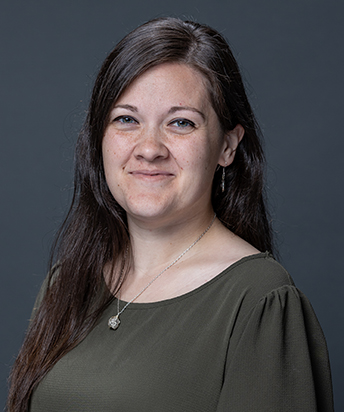
Dr. Whitney Mayo
VP Convention Site
Whitney Mayo, Ph.D., is an Assistant Professor of Music Education at the University of North Dakota, where she teaches undergraduate and graduate music education courses and prepares future music educators to create equitable and engaging learning environments. With nine years of teaching experience in early childhood and elementary music across public schools and community music school settings, Dr. Mayo brings practical classroom expertise to her work in higher education. Her research and teaching focus on early childhood music, elementary music education, rural music education, and expanding access to quality music learning for all children.
Dr. Mayo serves as the North Central Representative for the Early Childhood Special Research Interest Group and co-facilitates the Teacher Recruitment and Retention ASPA with the Society for Music Teacher Education. A frequent conference presenter, Dr. Mayo's work addresses early childhood music education and the opportunities and challenges of teaching music in rural settings.
Her scholarly interests center on the intersections of early childhood music education, rural contexts, and equity of access. Dr. Mayo's commitment to addressing the unique challenges and opportunities in rural music education informs her research on how to better serve underrepresented communities. Her work has been published in the International Journal of Music Education, International Journal of Music in Early Childhood , Applications of Research in Music Education, Music Education Research, and Arts Education Policy Review. She also contributed a chapter to Motherhood in the Music Academy (edited by Drs. Sweet and Fitzpatrick-Harnish) on navigating motherhood and doctoral study.
Erika J. Knapp, Ph.D., is an Assistant Professor of Music Education at Texas Woman’s University, specializing in early childhood, elementary education, and music for diverse learners. She holds a bachelor’s degree from Austin College, two master’s degrees from Central Michigan University (choral conducting and music education), and a Ph.D. in music education from Michigan State University. Before her career in higher education, she taught elementary general music, secondary general music, and middle school choir for 13 years in Michigan.
An active presenter and guest clinician/conductor, Dr. Knapp has shared her scholarship and passion for teaching at national and international venues, where she focuses on inclusive practice and empowering educators to create active, joyful musical experiences for their students. She is an Orff Pedagogy teacher for the American Orff Schulwerk Association and teaches levels I and II courses across the United States. Dr. Knapp serves on the editorial boards of Action, Criticism, and Theory for Music Education and The Orff Echo. Additionally, Dr. Knapp is the Chair of Culturally Responsive Teaching for NAfME-TX, is on the TMEA College-Level DEIA committee, and is the program chair for the 2026 Early Childhood Music and Movement Association international conference. Her scholarly and research interests include music for students with ability differences, teacher professional development, equity in music education, and student belonging. Knapp has published research in the Journal of Music Teacher Education, Music Education Research, The International Journal of Music Education, Arts Education Policy Review, Action, Criticism and Theory for Music Education, Research Studies in Music Education, Psychology of Music, Music Educators Journal, Visions of Research in Music Education, The Orff Echo, and the Bulletin of the Council for Research in Music Education. She also has several forthcoming book chapters.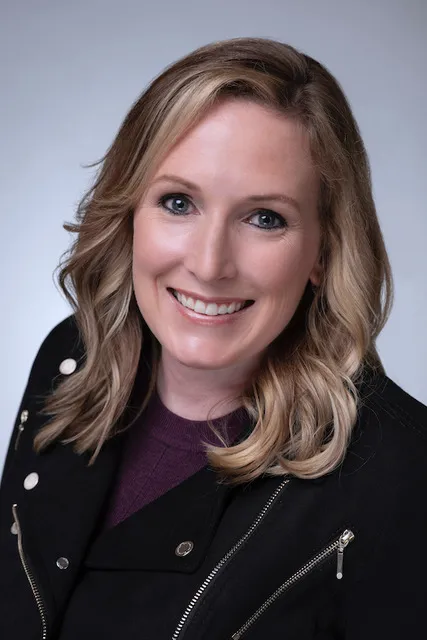
Dr. Erika Knapp
VP Convention Programming
Sara Bonner
VP Professional Advancement
Born and raised in Iowa, Sara moved to Kansas for college. In 1994, she earned her Master of Music Education degree from Wichita State University and her thesis was titled “Spontaneous Singing in Kindergarten”. Sara has enjoyed teaching university courses, presenting workshops and serving as mentor to student teachers in addition to her many years as an elementary music specialist. In 2015, Ms. Bonner was named Lawrence Elementary Teacher of the Year and in 2017 was awarded the Lied Center of Kansas Teacher Impact Award. Sara is a Community Music Educator, focused on bringing joyful learning opportunities to preschools, early childhood centers and family classes. She uses a varied approach in the classroom, including Orff, Kodaly and Gordon methodologies. In addition to her current role, Sara enjoys singing in various local organizations and traveling. She is a member of ECMMA and NAfME. Sara and her husband, Wes, have 4 children and one beloved dog.

Dr. Angel Anqi Tang
VP Communication
Dr. Angel Anqi Tang, an esteemed music educator, earned her Doctorate in Music Education from Mason Gross School of the Arts at Rutgers University. She is not only the founder of Dr. T Children’s Development School but also serves as the President of the World Piano Teachers Associate--Piano Performance & Pedagogy Committee. Holding the Vice Presidency of the Early Childhood Music and Movement Association, Dr. Tang specializes in General Music Education, Early Childhood Development, and Piano Pedagogy. She delivers comprehensive instruction ranging from Pre-K to Grade 12, coupled with professional development sessions for fellow music educators. Proficient in the Orff, Kodály, and Dalcroze methodologies, Dr. Tang seamlessly weaves these teaching concepts into her holistic pedagogical approach. In addition to her teaching credentials, she's a published researcher, making significant contributions to early childhood music education and music therapy through professional journals and textbooks. Given her unwavering commitment and attention to detail, Dr. Tang is poised to be a pivotal influencer in shaping the future landscape of music education.
Xin Xie is currently a Ph.D. ABD at Pennsylvania State University. She holds a Bachelor of Arts degree in Music Education from the Zhejiang Conservatory of Music and earned her Master's degree while studying at the University of North Carolina at Greensboro. Prior to her studies in the United States, Xin taught early childhood music classes, general music at the elementary and high school level, and provided private singing and piano lessons to children in China. She currently holds certifications in Kodály (Levels 1 & 2), Orff-Schulwerk (Level 1), world music drumming (Level 1) and early childhood Level 1 certification in Edwin Gordon’s Music Learning Theory.
Xin's research interests encompass early childhood and elementary general music, multicultural music education, intergenerational music education and teacher education. Her scholarly pursuits are closely aligned with her teaching experiences, highlighting her desire to make a meaningful contribution to the field of music education. Xin has presented workshops and research sessions for state, national, and international conferences. As Xin continues to advance in her academic and professional journey, she remains steadfast in her mission to promote cultural inclusivity and provide meaningful music education to all students. Her dedication to these principles is evident in her ongoing research, practice, and unwavering commitment to shaping the future of music education.
